
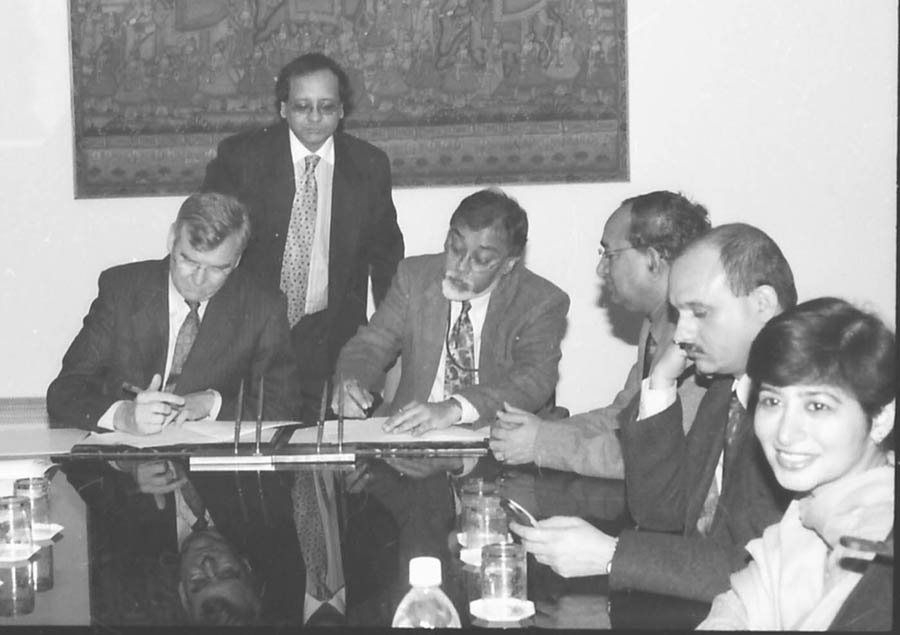
The 1980 Blueprint for Financial Dependency
In 1980, the IMF intervened in Jamaica through a series of Structural Adjustment Programs (SAPs). The goal was stability. The reality was a mandate for water privatization and drastic healthcare budget cuts. It looked like a rescue mission. Instead, it installed a financial architecture designed to ensure the debt remained unpayable.
This established the “debt trap” for the Global South. To secure loans, governments in Ghana and Bolivia accepted conditions from the World Development Report framework. These mandates forced leaders to dismantle public services. In Zambia, the 1980s austerity measures led to a collapse in rural healthcare. A 1990 study on Zambian health outcomes linked these IMF-driven cuts to a spike in malaria mortality as primary clinics shuttered.
It was a modern “company store” model. The lender provided the credit but seized control of the means of survival. While the IMF claims to fight poverty, the human cost remains unrecorded in their ledgers. These policies didn’t fix economies; they converted sovereign nations into corporate subsidiaries. The 1980 blueprint proved that for some, the price of a loan is the right to exist.
How the IMF Debt Trap in Developing Nations Structural Adjustment Works
Mexico declared it could not pay its $80 billion debt in 1983. The IMF responded with “conditionality.” Borrowing states had to implement Structural Adjustment Programs (SAPs). These mandates required the immediate privatization of state industries and the elimination of price controls.
This is the core of structural adjustment: a redesign of a nation’s economy for foreign investors. By enforcing austerity in healthcare and education, the IMF ensures available funds prioritize debt servicing over human capital.
The lender doesn’t just want the money back. They want the right to rewrite the laws of the borrowing nation.
Ghana’s Economic Recovery Program in 1983 mandated the removal of subsidies on fertilizers. This shifted the cost of production onto smallholders. According to the World Development Report 1986, this forced a transition toward industrial agribusiness. While cocoa exports surged, food insecurity worsened. Between 1983 and 1987, the prevalence of undernourishment in Ghana rose by roughly 10%, as farmers abandoned food crops for export commodities. The wealth did not stay in Accra. It flowed to Washington and New York. The state ceased to be a provider of welfare and became a debt-collection agency for the West.
The Austerity Checklist and the Erasure of the Social Contract
In 1984, the Zambian government signed the Structural Adjustment Program (SAP) under pressure from the World Bank and IMF. The price for credit was a brutal slash in public spending. By 1986, the Ministry of Health saw its real budget plummet by nearly 30%. This wasn’t a gradual decline. It was a collapse. Rural clinics in the Luapula Province ceased functioning entirely as funding for essential medicines vanished. The state ceased being a provider and became a debt collector for Washington.
The IMF conditions were not suggestions; they were mandates. Governments had to privatize state assets and eliminate fuel subsidies. This shifted the financial burden directly onto the poorest citizens. Poverty became an institutional outcome.
The lender does not just want the money back; it wants the legal right to dictate how a sovereign nation manages its own internal resources.
By 1987, the austerity checklist acted as a blueprint for erasure. Education budgets were gutted to service interest payments. In the Copperbelt region, the “school day” became a formality. Children sat in classrooms without books or pencils. When a nation prioritizes a foreign creditor over the survival of its children, the debt is no longer financial—it is political.
Privatizing the Commons to Pay Interest on a Ghost Loan
By 1983, Jamaica faced a $1.1 billion debt crisis. To secure liquidity, the International Monetary Fund (IMF) mandated a Structural Adjustment Program. This wasn’t a rescue; it was a fire sale. The Jamaican government was forced to privatize the Jamaica Public Service Company and water utilities. This transferred public assets to entities like the Canadian-owned companies. These companies dominated regional infrastructure.
When a state sells its water to pay interest, the commons vanish. Citizens become customers of foreign firms. This mechanism mirrors the 1765 Treaty of Allahabad. There, the British East India Company seized the diwani. This was the right to collect land revenue in Bengal. Both systems used “debt-trap” diplomacy. They turned a financial crisis into a permanent ownership stake in vital infrastructure.
The pattern scaled. By 1985, the IMF forced Ghana and Bolivia to slash subsidies on bread and fuel. According to a 1987 World Bank report on Adjustment in Africa, these cuts disproportionately hit the bottom quintile. The poorest 20% of Ghanaians effectively subsidized the interest payments. These were owed to commercial lenders like Citibank and Chase Manhattan. This cycle ensured that the debt was never cleared. It was only relocated from the bank’s ledger to the citizen’s plate.
The Washington Consensus as a Tool for Resource Extraction
Zambia’s copper prices collapsed in 1985. To secure emergency funding, Lusaka signed the Structural Adjustment Programs (SAPs) mandated by the IMF. These weren’t mere suggestions. They were requirements for the next loan tranche. The World Bank forced the abolition of the maize subsidy program in 1990. The result was immediate. Poverty rates climbed from 45% to 60% by the mid-1990s.
The priority was debt repayment, not development. Under the World Development Report guidelines, Zambia privatized the Zambia Consolidated Copper Mines (ZCCM). This shifted ownership to foreign entities like Glencore and First Quantum Minerals. The IMF effectively converted a sovereign state into a resource colony. Capital didn’t stay in Lusaka; it flowed directly back to Western creditors.
The goal was never stability. It was the forced opening of domestic markets to foreign corporations under the guise of efficiency.
By 1991, the state stopped providing for its people to pay its lenders. Farmers, stripped of subsidies, could no longer afford seed. The Washington Consensus reorganized the economy to serve the creditor. The debt became a permanent leash.
Why the IMF Debt Trap in Developing Nations Structural Adjustment is a Feature
Mexico notified the U.S. and IMF in August 1982. It could not service its $80 billion external debt. This triggered the “Lost Decade.” The IMF responded with Structural Adjustment Programs (SAPs). These mandated austerity as a prerequisite for liquidity.
These weren’t mere suggestions. In Ghana, the 1983 Economic Recovery Programme forced the government to slash subsidies on basic foodstuffs. In Zambia, the IMF demanded the privatization of the Zambia Consolidated Copper Company. These policies shifted priorities from social welfare to debt repayment. They moved wealth from the Global South to private Western banks.
The loans were never meant to be repaid in full. Instead, they served as a leash. This ensured borrowing nations remained tethered to the financial dictates of the Washington Consensus.
The mechanism was legal, not just economic. The IMF utilized “conditionality” to rewrite national legislation. By 1989, the IMF pressured nations to adopt laws similar to those in The Washington Consensus. These laws prioritized external creditor claims over domestic social spending. This turned sovereign states into conduits for capital flight. The “cure” was a financial treadmill. New loans merely serviced old interest, ensuring permanent dependency.
[INTERNAL LINK: understanding the Washington Consensus]
The Invisible Cost of Conditional Loans in the Global South
In 1986, Zambia faced a debt crisis that forced the government to accept IMF conditions. The cost was more than financial. Under World Bank structural adjustment mandates, Zambia cut basic services to service loans. By 1987, healthcare cuts left rural clinics without medicine. The 1988 World Bank Country Study: Zambia documented a collapse in primary care. In some districts, staff used saline solution rebranded in old vials to simulate care. This was the debt trap: austerity kills the productivity needed to repay the loan.
The logic was cold. To stabilize the currency, the state had to shrink. When a government stops funding hospitals, the workforce sickens. When schools close, the next generation loses its edge.
The creditor doesn’t just want the money back. They want a nation too fragile to resist external policy dictates but stable enough to keep paying interest.
This shifted power from local parliaments to boardrooms in Washington D.C. By 1990, the imbalance was stark. In Ghana, debt service consumed 15% of GDP, while education spending hovered at 4%. Zambia and Senegal faced similar ratios, spending nearly double on creditors than on classrooms. The ledger was balanced, but the society was bankrupt.
From Sovereign States to Debt-Servicing Entities
August 12, 1982. Mexico’s Finance Minister, JesúsTarjeta, informed the IMF that the country lacked the foreign exchange to service its $80 billion debt. This triggered the “Lost Decade.” The response wasn’t a rescue, but a redesign. The IMF imposed “Conditionalities”—specific austerity mandates that forced Mexico to slash public spending to ensure New York banks were paid first.
The hollowing out was mathematical. In Jamaica, the debt-to-GDP ratio surged to over 200% by 1985. Under the Structural Adjustment Facility mandates, the government shifted priorities. Health budgets didn’t just “drop”; they were cannibalized. In some Latin American states, social spending fell by 20% of GDP within a single five-year cycle.
This wasn’t just bad timing. It was a transfer of sovereignty. The state ceased being a provider of welfare and became a financial conduit. It mirrored the “Company Towns” of the 19th century—where the employer owned the law—but on a planetary scale. Now, the creditor owned the national treasury.
The sovereign state was effectively replaced by a debt-servicing entity, designed to move wealth from the global south to northern boardrooms.
The flag remained, but the ledger belonged to someone else.
Who Actually Profits When a Nation Cannot Pay?
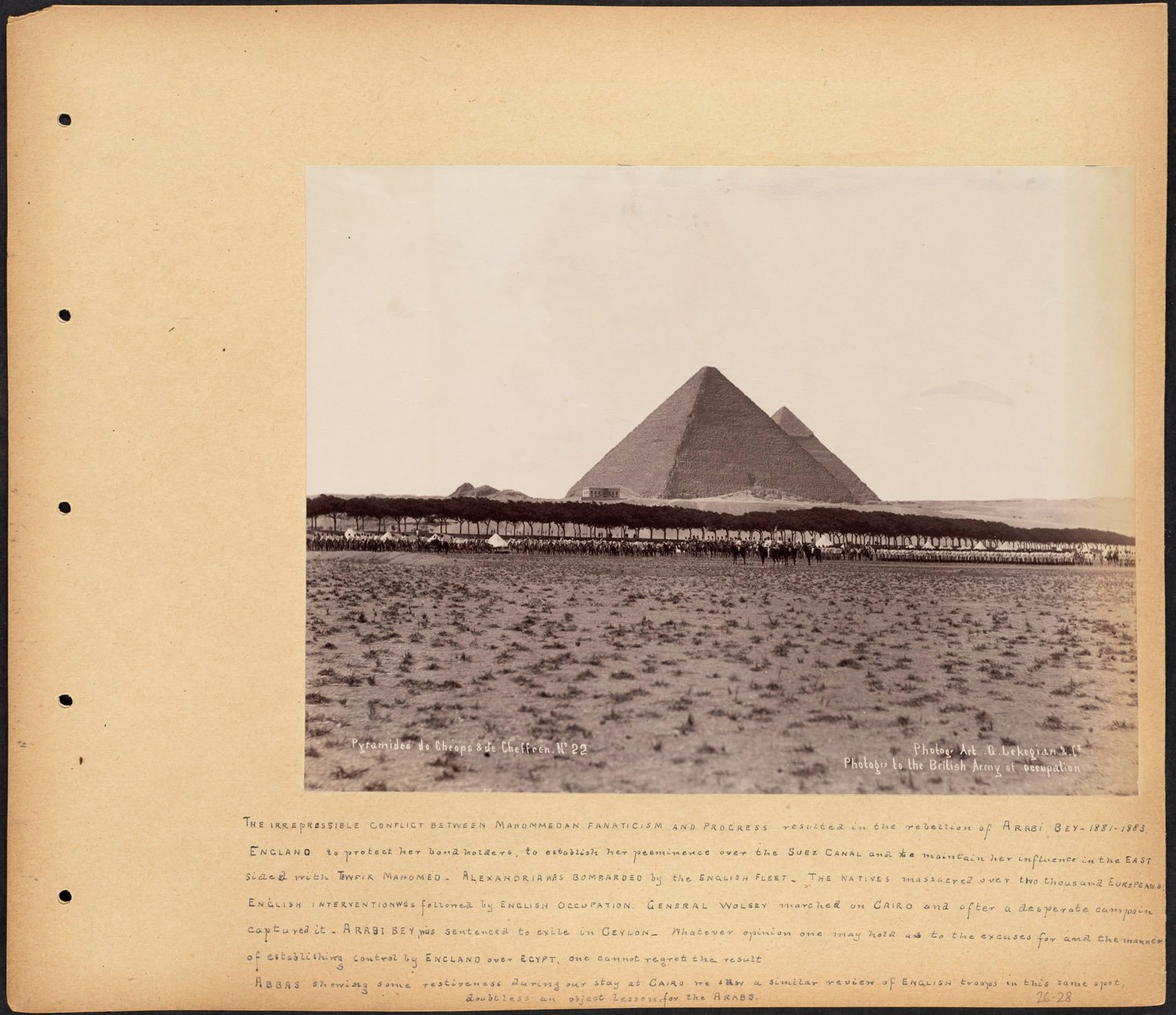
Debt is rarely about the money. In 1875, Egypt’s Khedive Ismail faced a crushing deficit. The result wasn’t a simple loan, but the creation of the Caisse de la Dette Publique. This body gave European creditors direct control over Egyptian tax revenues. It was “Gunboat Diplomacy” codified into law. The British didn’t want the interest; they wanted the Suez Canal.
Modern iterations look different but function identically. Consider the IMF’s 1980s “Structural Adjustment Programs” (SAPs). These mandates—often requiring the privatization of state utilities and drastic cuts to healthcare—are not designed for repayment. According to economist Jason Hickel in The Divide, the Global South has paid more in interest and principal than it ever received in loans.
The profit is not cash. It is the forced opening of markets. When a nation cannot pay, the lender gains equity through policy control. Debt becomes a leash, ensuring raw materials flow west while the debtor remains in a cycle of refinancing. The ledger is not a balance sheet; it is a map of political sovereignty.
What would change if we viewed national debt as a tool of governance rather than a financial failure?
Frequently Asked Questions
Q: What is the imf debt trap developing nations structural adjustment refers to?
A: The imf debt trap developing nations structural adjustment refers to a cycle where countries borrow to survive, only to be forced into austerity measures to repay. These structural adjustment programs (SAPs) require governments to slash public spending, privatize state industries, and shift toward export-led growth. While intended to stabilize economies, these mandates often gut healthcare and education, leaving the nation more vulnerable to future crises and deeper dependency on international loans.
Q: Why do structural adjustment programs lead to debt traps in poor countries?
A: Structural adjustment programs often create a debt trap because they prioritize debt servicing over domestic investment. When the IMF mandates austerity, governments stop investing in the infrastructure and human capital needed for organic growth. This stagnation makes it impossible for the country to grow its way out of debt. Instead, they take new loans to pay off old ones, ensuring that a massive percentage of their GDP flows back to foreign creditors indefinitely.
Q: Is it true that the IMF intends to create debt traps for developing nations?
A: A common misconception is that the imf debt trap developing nations structural adjustment is a deliberate conspiracy to seize assets. In reality, it is often a failure of a “one-size-fits-all” neoliberal economic model. The IMF applies the same austerity logic to a small African nation as it does to a European economy. This ideological rigidity ignores local social realities, turning a theoretical stabilization plan into a practical economic stranglehold.
Q: When did the IMF start using structural adjustment in developing nations?
A: The shift toward these policies gained momentum during the 1980s, specifically following the 1982 Mexican debt crisis. This era, often called the “Lost Decade” for Latin America, saw the IMF move from providing short-term liquidity to demanding fundamental changes in how nations operated. By 1985, these conditional loans became the standard tool for managing the Third World debt crisis, cementing the link between emergency credit and forced privatization.
Q: What is a surprising effect of IMF debt traps on national sovereignty?
A: One surprising result of the imf debt trap developing nations structural adjustment is the erosion of democratic governance. When a government’s budget is dictated by a board in Washington D.C. rather than its own parliament, the social contract breaks. In many cases, citizens vote for policies that the IMF then forbids. This creates a “democratic deficit” where the state becomes more accountable to foreign creditors than to its own people.