


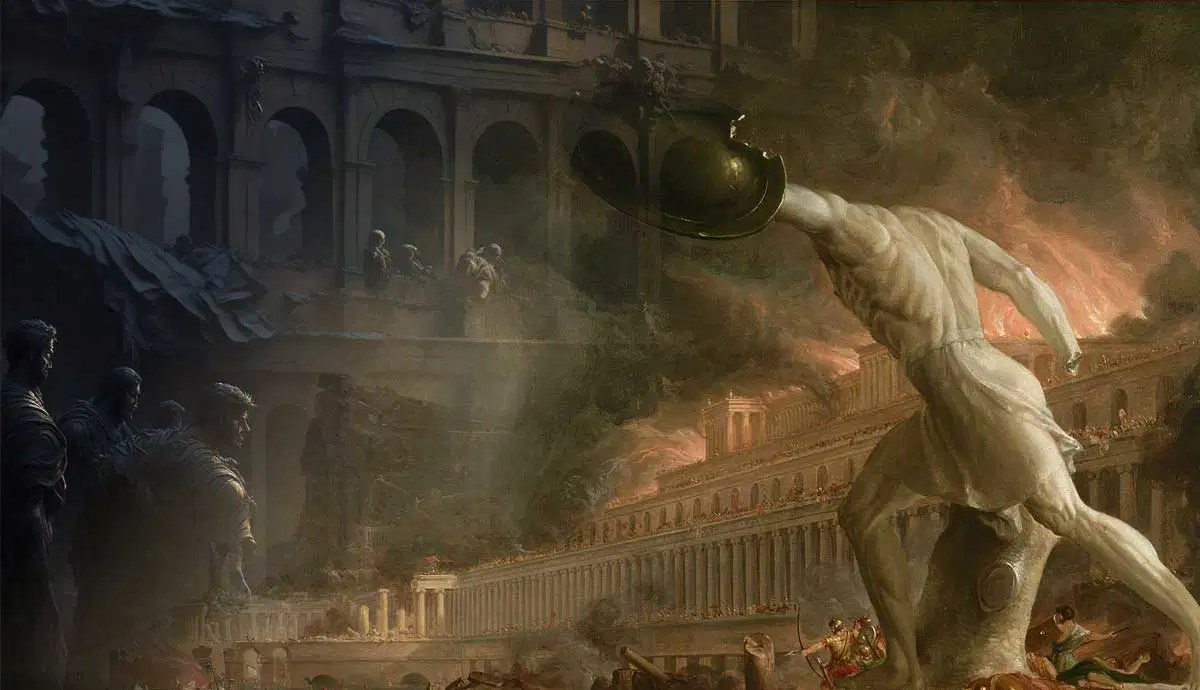
The 476 CE Illusion
History books treat 476 CE as a sudden plunge into a dark age. But in Ravenna or Constantinople, that year felt like a rebranding. Did rome actually fall?
Odoacer deposed Romulus Augustulus, a teenager whose title far exceeded his actual power. Romulus didn’t lead a last stand. He was simply told he was redundant. He received a pension and a villa in Campania a quiet retirement for a boy who presided over a formality.
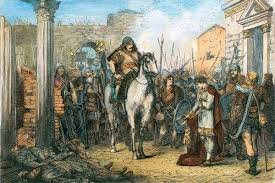
The collapse wasn’t a single event. It was a systemic failure. By 476 CE, the Roman state suffered from hyperinflation and a bankrupt treasury. The Codex Theodosianus, compiled in 438 CE, revealed a government obsessed with punishing tax evaders while the borders had eroded since Marcus Aurelius died in 180 CE. The administration didn’t just “fail”; it became a predatory machine that couldn’t pay its own mercenaries.
Yet, the “Dark Age” is a myth. Governance didn’t vanish. Odoacer maintained Roman law and the Senate. The Lex Romana Marciana, a legal digest used in the West, continued to guide courts long after the last emperor left.
The empire didn’t crash. It dissolved, leading many to ask: did rome actually fall?
Why the Question “Did Rome Actually Fall” Starts With a Map
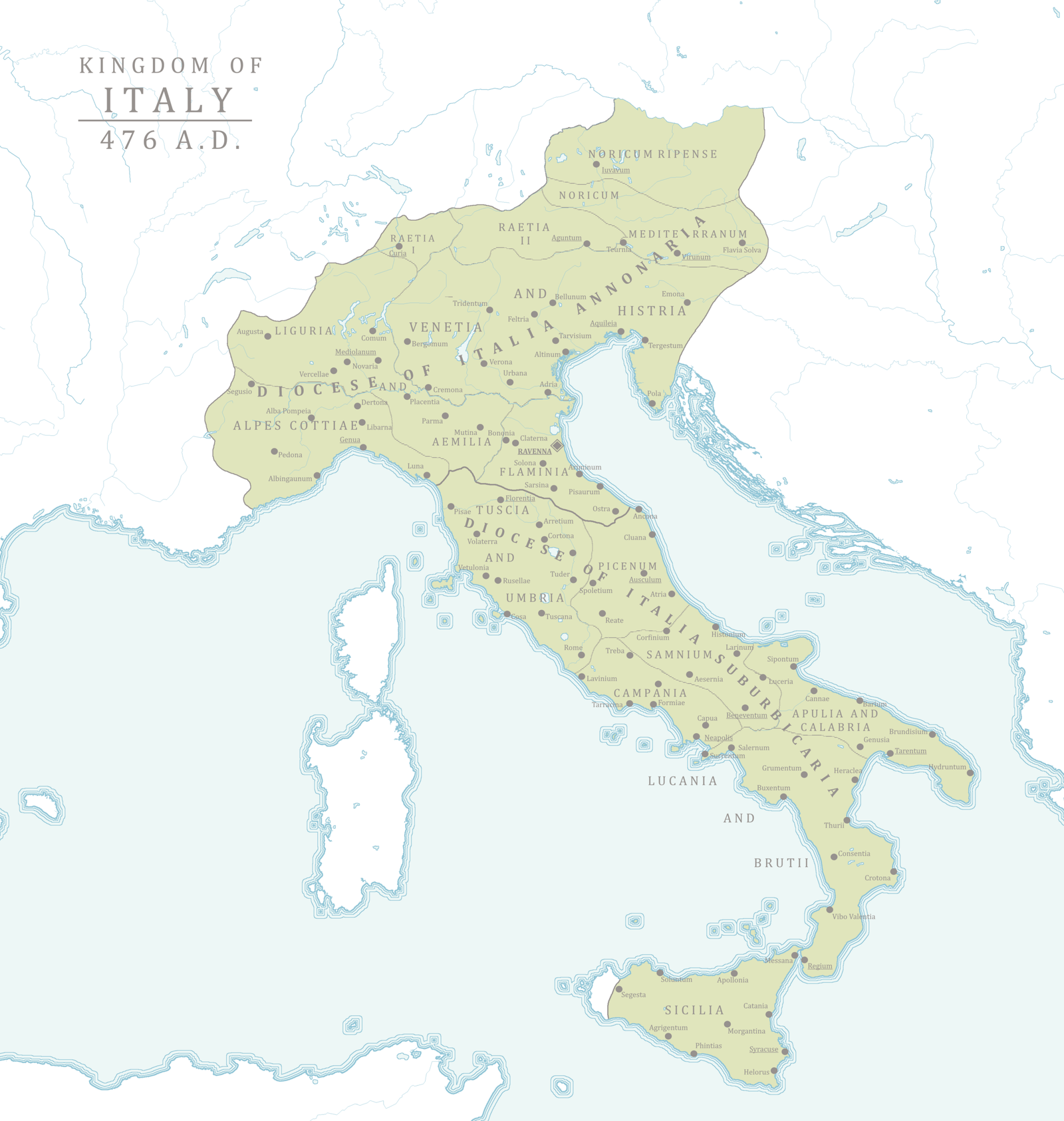
Romulus Augustulus was deposed in Ravenna in 476 CE. However, the empire did not vanish. It simply shifted. The West fractured into states like the Visigothic Kingdom in Hispania and the Ostrogothic Kingdom in Italy. Meanwhile, the East remained a cohesive superpower. Emperor Zeno held the title of Augustus in Constantinople. He commanded a professional army and a bureaucracy. The West had long since abandoned these systems.
This is where the standard narrative fails and where we must ask: did rome actually fall? We are taught that 476 CE was a definitive ending—a light switching off. But the map reveals a different reality: a survival of statehood. Between 529 and 534 CE, Emperor Justinian I compiled the Corpus Juris Civilis. This was a massive codification of Roman law. It ensured the legal DNA of the Caesars persisted. To the citizens of Constantinople, the “fall” was merely a regional crisis in the provinces. They continued to mint gold solidi. They also maintained the administrative machinery of a global empire.
The “fall” was not a collapse of civilization. It was a strategic retreat to the East. There, Roman identity was preserved through law and bureaucracy.
The map proves that Roman identity didn’t die; it migrated. The state functioned in the East for another millennium. Therefore, when considering if did rome actually fall, the date 476 CE is an arbitrary marker, not a factual end.
Odoacer and the Art of the Rebrand
In 476 CE, Odoacer did not burn the city. He stopped pretending. Instead of claiming the title of Emperor, he sent the imperial regalia—the purple robes and the jeweled diadem—back to Constantinople. He declared himself King of Italy, but his administration remained Roman. He kept the Senate active and ensured the Codex Theodosianus remained the governing legal framework. He didn’t just maintain tax codes; he preserved the annona, the complex state-run grain supply system.
For the average citizen in Ravenna or Rome, life did not turn primitive. The courts still met and laws were still written in Latin. Odoacer knew power required legitimacy, and legitimacy in Italy meant Romanity. He issued decrees that protected the property rights of the landed aristocracy, ensuring the Senate’s continued influence over local governance.
Odoacer didn’t erase the Roman state; he shifted the ownership of its machinery while keeping the engine running.
This continuity is why historians now ask if Rome actually fell in the fifth century. If the laws, religion, and social hierarchy remained intact, 476 CE is a clerical detail rather than a catastrophe. Odoacer proved you could remove the Emperor without removing the Empire. The structure survived the man.
The Ghost of the West and the Reality of Ravenna
Theodoric the Great established the Ostrogothic Kingdom in 493 CE. He designated Ravenna as his seat of power. He didn’t dismantle the state; he inhabited it. Theodoric upheld the Theodosian Code. This ensured Roman civil law remained the supreme authority for his Latin subjects. By maintaining the Roman bureaucracy, he ensured tax collection and judicial proceedings functioned as they had under the Caesars. He didn’t claim the title of Emperor. Instead, he positioned himself as a deputy of the Eastern Emperor in Constantinople.
This continuity suggests that the “Fall of Rome” is more of a literary trope than a historical fact. The Roman Senate continued to meet. The consulship remained an active office until 534 CE. Historian Peter Brown argues that for the provincial elite, the transition was barely perceptible. The state machinery remained intact. A citizen in the Po Valley still paid taxes in gold solidi to a Roman administrator. The guards at the treasury were now Goths.
Theodoric didn’t replace the Roman system; he outsourced its protection to Gothic soldiers while keeping the Roman law.
The West didn’t vanish into a dark void. It evolved into a network of Germanic kingdoms operating as Roman provinces. Because the Theodosian Code persisted, the empire didn’t crash. It simply changed its address.
Constantinople: The Empire That Never Left
Constantine the Great moved the imperial center to Byzantium in 330 CE. He renamed it Constantinople. While Romulus Augustulus lost his crown in the West in 476 CE, the East remained a functioning administrative hub. These people did not call themselves “Byzantines.” They were Rhomaioi—Romans.
The bureaucracy didn’t collapse; it migrated. Tax collectors continued using the annona system to feed the urban poor. Legal continuity was not just about the Corpus Juris Civilis of 529 CE. It was evidenced by the Theodosian Code of 438 CE, which remained the operational manual for Eastern governors long after the West fragmented.
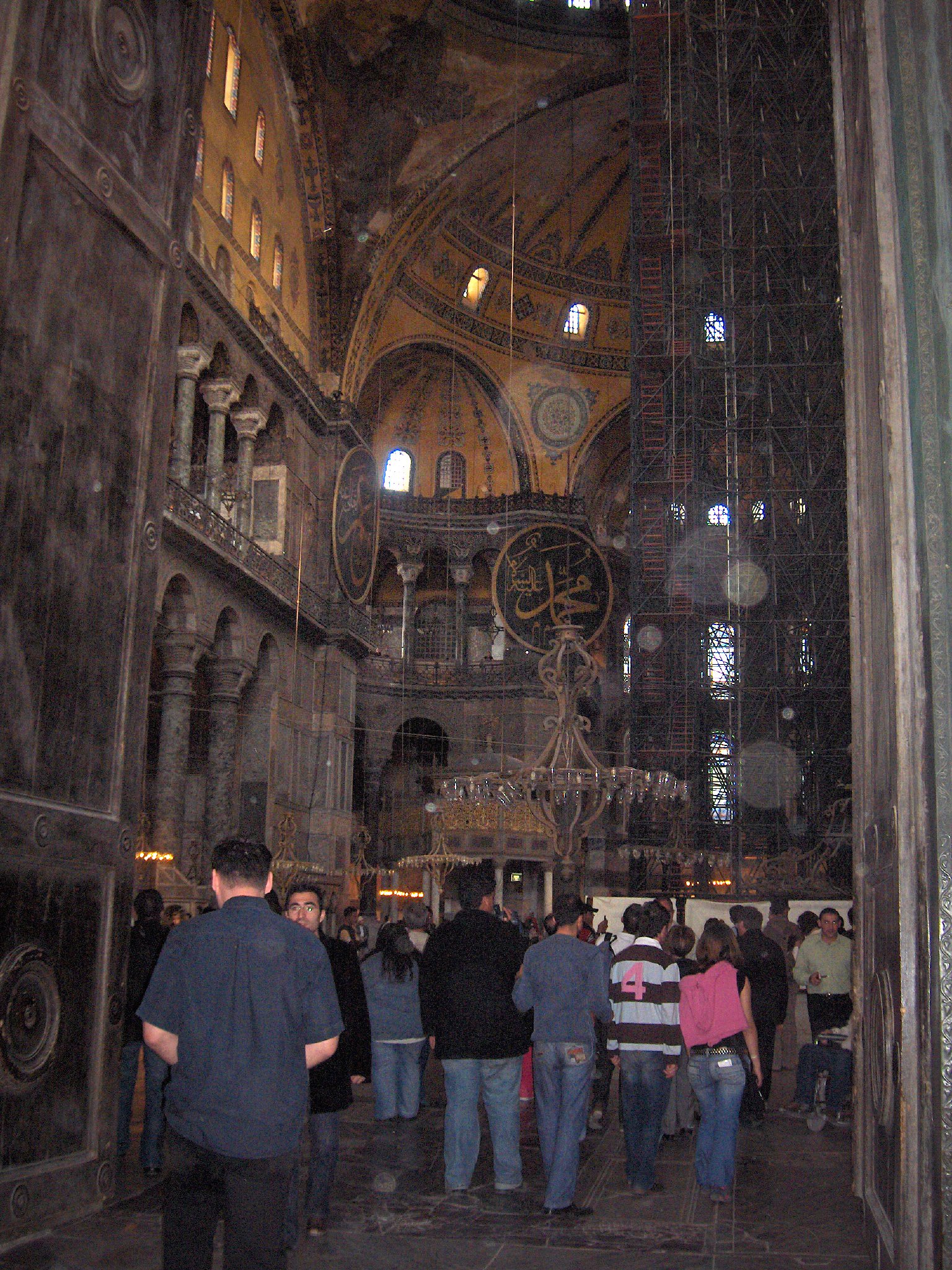
The city functioned as a massive economic engine. The state controlled the silk trade through the commerciarii, imperial agents who regulated customs duties at the Bosphorus. This wasn’t a remnant of a dead empire. It was a sovereign state with a professional civil service.
The Roman state didn’t disappear in 476; it merely shifted its weight to the East. It maintained a continuous legal and political identity for a thousand more years.
Constantinople proves the “Fall of Rome” is a geographic misunderstanding. The Roman identity remained a sovereign reality until 1453 CE.
Why We Invented the Dark Ages to Justify the Light
Johannes Gutenberg perfected the printing press in 1440. This tool allowed Petrarch and later humanists to curate a specific narrative. In his letters, Petrarch explicitly framed the centuries following the fall of Rome as a period of “darkness.” By codifying this void, Renaissance thinkers claimed a sudden intellectual rebirth. This divide justified the Studia Humanitatis by pretending the intervening millennium was a vacuum of ignorance.
The myth persists because it simplifies chaos. The light did not go out; it shifted. While Western Europe struggled, Hunayn ibn Ishaq led a massive translation movement in Baghdad. He didn’t just preserve texts; he refined them. In the Bayt al-Hikma (House of Wisdom), scholars like Al-Kindi translated Aristotle’s Nicomachean Ethics and Ptolemy’s Almagest into Arabic. They obsessively cataloged the world while Europe lost access to the classics.
The “Dark Ages” were not a historical reality, but a rhetorical tool used by later scholars to make their own era seem more enlightened.
Since knowledge thrived in 10th-century Córdoba and Baghdad, the “crash” was a regional relocation of power. The world did not experience a total blackout, but a shift in focus.
The Byzantine Pivot and the Question of Did Rome Actually Fall
Constantine the Great moved the imperial capital to Byzantium in 330 CE. He didn’t build a new state; he shifted the center of gravity. While the Visigoths and Vandals dismantled Western administration, Constantinople thrived. The city became the vault for Roman bureaucracy and law.
The state relocated. For a millennium after 476 CE, Eastern emperors titled themselves Basileus ton Romaiōn—the Emperor of the Romans. They minted gold solidi and levied taxes in Rome’s name. To these citizens, the “Byzantine Empire” didn’t exist. There was only Rome, preserved behind the Theodosian Walls. They spoke Greek, but their legal framework remained anchored in Latin. This is evident in the Codex Justinianus of 529 CE, which codified centuries of Latin legal tradition to ensure the empire’s administrative continuity.
The Roman Empire didn’t collapse into a void; it shifted its weight to the East, surviving as a centralized state while the West fractured into tribal kingdoms.
This survival reframes the narrative. Because the political center remained in the East until 1453 CE, the “fall” was a regional event. Asking if Rome fell ignores the half of the empire that remained a global power.
From Imperial Administration to Local Strongholds
From Imperial Administration to Local Strongholds
In 480 CE, the West’s administration shifted. The imperial title vanished, but the bureaucracy stayed. Local landowners in Gaul and Hispania stopped sending taxes to an emperor and paid Gothic kings instead. Power localized. These rulers kept the archives and used Roman clerks to collect rents and manage irrigation.
The change occurred in the margins. In cities like Ravenna, the Roman Senate continued to meet. They traded their loyalty to a ghost emperor for the protection of Odoacer and later Theodoric the Great. Theodoric, a Goth who spoke the language of his conquerors, famously wore the purple robes of an emperor while insisting he was merely a deputy of the East—a calculated performance of Romanitas designed to soothe the anxieties of the aristocracy.
The Roman state didn’t vanish; it simply became a series of local strongholds managed by the same elites who had run the empire.
This shift complicates the question of whether Rome fell. If the laws, language, and tax collectors remained, the fall was a change in branding. The empire’s infrastructure survived by becoming invisible. When the Merovingians rose in the 6th century, they inhabited a Roman shell rather than building something new. This is why the debate over whether Rome fell persists.
Whose History is Served by the Myth of the Crash?
The story of a sudden crash creates a clean break. By claiming Rome collapsed in 476 CE, later powers like the Carolingian Empire could claim they birthed a new civilization from ruins. This justifies the “Dark Age” label and the question of did rome actually fall. It frames the recovery as a miracle of Frankish ingenuity rather than a continuation of existing Roman systems.
The reality was a slow transition. Law and administration did not vanish; they were repurposed. Theodoric the Great, ruling from 493 to 526 CE, did not dismantle the state. He meticulously preserved the Roman Senate and enforced the Lex Romana Visigothorum, a legal code that blended Gothic custom with Roman law. He didn’t burn the archives; he coveted them.
Focusing on a single moment of failure ignores the resilience of those living through it. They did not wake up in a different world. They lived in a shifting one. The myth of the crash tells us more about the historians of the Holy Roman Empire than the people of the fifth century. If the collapse was an illusion and we ask did rome actually fall, the “Dark Ages” were a choice of framing.
Does knowing this change how you see the transition from antiquity to the Middle Ages? Tell us in the comments.
Frequently Asked Questions
Q: Did Rome actually fall in 476 AD?
A: Whether Rome actually fell in 476 AD depends on which part of the empire you mean. While Romulus Augustulus was deposed in the west, the Eastern Roman Empire—known as Byzantium—continued to thrive in Constantinople for another millennium. The “fall” was a political transition in Italy, not the sudden disappearance of a civilization. Roman law, administration, and culture persisted long after the western imperial seat became vacant.
Q: Who was responsible for the collapse of the Roman Empire?
A: No single person caused the decline, but figures like Alaric I and Odoacer accelerated the end of western administration. Alaric I led the Visigoths in the sack of Rome in 410 CE, proving the city was vulnerable. However, internal decay played a larger role. Economic inflation, systemic corruption, and the division of the empire into two halves created a fragile state that could no longer resist external pressures.
Q: Why does it matter if the Roman Empire faded slowly?
A: Understanding if Rome actually fell slowly changes how we view systemic collapse. If the empire vanished overnight, it was a catastrophe; if it faded, it was a transformation. This distinction shows that societies rarely disappear. Instead, they evolve into new forms. The transition from the Western Empire to the fragmented kingdoms of the Middle Ages illustrates how institutions adapt or dissolve over generations rather than moments.
Q: What is the biggest misconception about the fall of Rome?
A: The most common misconception is that “barbarians” simply destroyed a healthy civilization. In reality, many Germanic tribes wanted to join Rome, not destroy it. By 406 CE, the borders were porous because the Roman military was already hollowed out by civil war and economic crisis. The “invaders” were often former mercenaries who had served in the Roman army and knew exactly how to dismantle the system from within.
Q: What is a surprising fact about the Roman transition?
A: A surprising detail is that many people in the 5th century didn’t realize the empire was gone. In the decades following 476 CE, local officials continued to use Roman titles and laws. The transition was so gradual that the “Dark Ages” began not with a bang, but with a slow realization that the central authority in Rome no longer provided security or coinage. The ghost of the empire lingered in the bureaucracy for centuries.

