


The Blood-Stained Blueprint of Liberalism
Liberal democracy’s architects built a global system. This kept most of the world from experiencing freedom. In 1958, Jacques Massu, the French General in Algiers, oversaw administrative shifts. These granted Algerian women the right to vote. Simultaneously, French Air Force units executed Operation Jaguar to bomb villages in the Aurès Mountains.
This wasn’t a glitch; it was the structural design of “militant democracy.” Liberal values are presented as universal, but the timeline reveals a gated community. The US maintained formal racial apartheid until the Voting Rights Act of 1965. Britain did not grant universal suffrage to Indian women until 1950.
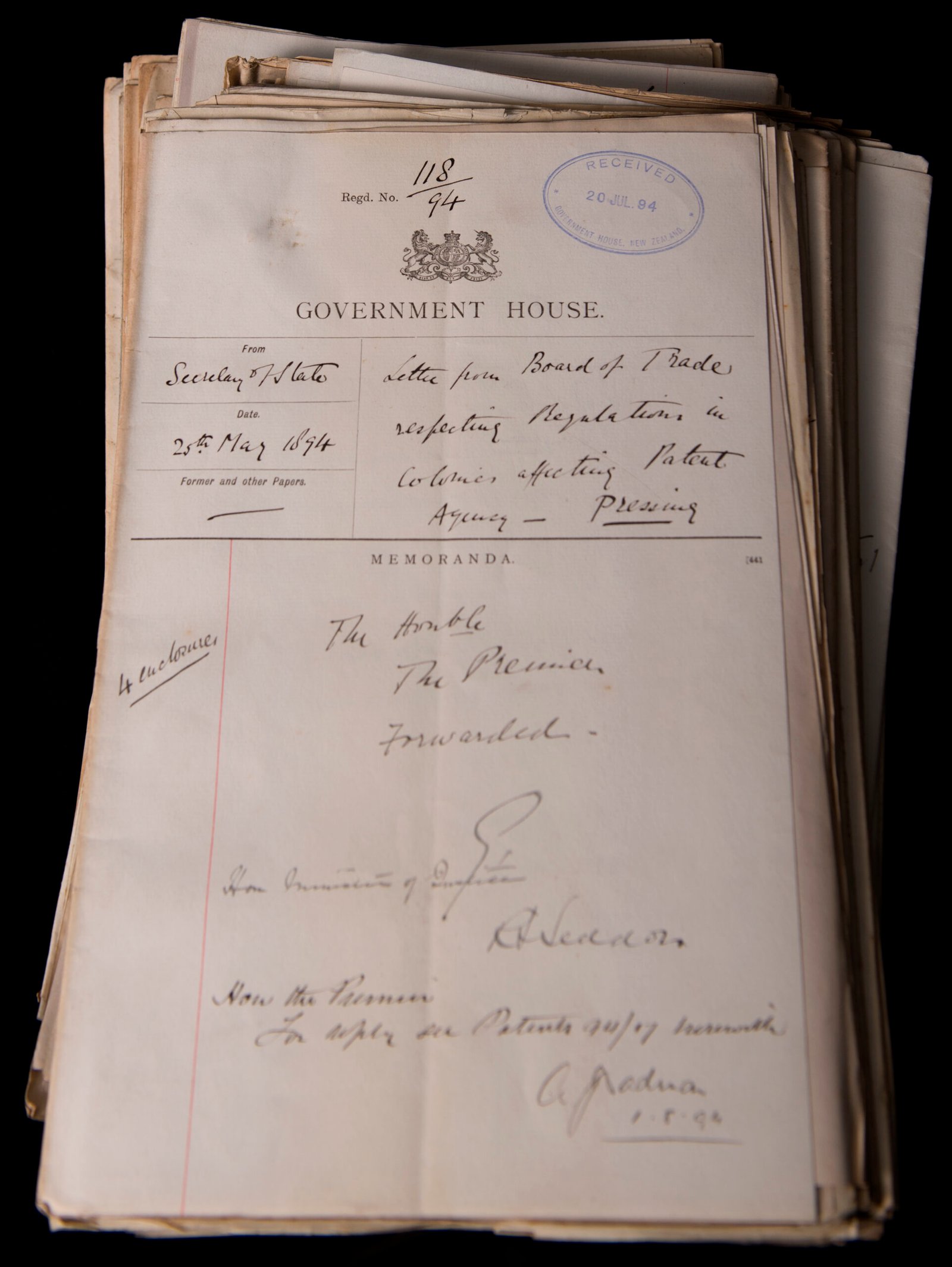
To the British Raj, the “civilizing mission” was a ledger of contradictions. They exported the Common Law to India. However, the system functioned as a tool of containment. In the 1870s, jurists like Sir James Fitzjames Stephen argued in A History of the Criminal Law of England. He claimed indigenous populations lacked the biological capacity for self-governance. This wasn’t mere prejudice. It was a legal framework used to justify the denial of agency. Rights were conditional, based on race and loyalty to the crown. The legitimacy of the modern West’s lecturing rests on a foundation of calculated exclusion.
How Western Democracy History Hypocrisy Colonialism Built the Global South
In 1953, the CIA and MI6 executed Operation Ajax in Iran. They didn’t seek freedom; they sought oil. Prime Minister Mohammad Mossadegh nationalized Iranian oil, challenging the Anglo-Iranian Oil Company. The West responded by overthrowing a democratically elected leader to reinstall the Shah. The CIA hired street thugs to riot in Tehran, creating a choreographed chaos that justified a military takeover.
This wasn’t an isolated error. It was the application of “militant democracy”—a mechanism where the state destroys democratic elements to “save” the system. This pattern highlights the western democracy history hypocrisy colonialism inherent in their foreign policy. In The Old Man and the Gun, historians describe how the West viewed suffrage as a luxury for the North, but a threat in the South.
The bridge to systemic failure appeared in 1959 with the assassination of Patrice Lumumba. The Belgian government and the CIA viewed Lumumba’s nationalism as a “communist” risk. By 1965, the US backed Mobutu Sese Seko in Congo. Mobutu looted billions while Washington praised his stability.
The ruling classes contained democracy within boundaries they deemed acceptable, ensuring power remained with the elite.
By 1960, the democratic order protected capital, not people. The Global South didn’t fail at democracy; the West dismantled it to maintain control, further cementing the western democracy history hypocrisy colonialism.
The Paradox of the 19th Century Ballot Box
The British Parliament passed the Reform Act of 1832, granting the vote to men owning property worth £10 a year. While London refined these rules, the British Raj administered 300 million people in India via the Government of India Act 1858. This wasn’t mere hypocrisy. It was “militant democracy”—a system where internal liberty required external coercion to fund the state.
In the United States, the contradiction was codified. Thomas Jefferson wrote of equality in 1776, but the Three-Fifths Compromise of 1787 turned human beings into fractional political units. This wasn’t a personal lapse in Jefferson’s character; it was a legislative mechanism. By counting enslaved people for representation but denying them agency, the South amplified its power in Congress.
The ruling classes didn’t want true democracy. They wanted a system that looked like freedom while protecting the wealth of the few.
Rights remained restricted to a racial caste. France only granted universal male suffrage in 1848, yet maintained the Code de l’Indigénat in Algeria to deny basic rights to locals. The “rule of law” functioned as a ledger. The Permanent Settlement Act of 1793 in Bengal stripped millions of land titles to secure British revenue. The ballot box served the center; the bayonet served the periphery.
Exporting Freedom While Enforcing Extraction: Western Democracy History Hypocrisy Colonialism
By 1884, the Berlin Conference divided Africa into seven zones of influence. European leaders met in Germany and drew lines on a map of a continent they had never visited. This period showed the contradiction of Western democracy and colonialism. While London and Paris debated a “civilizing mission” in parliament, they built systems for extraction. They exported the bureaucracy of theft rather than voting rights.
King Leopold II of Belgium ran the Congo Free State as a private company. He claimed his goals were philanthropic, even funding a “scientific” society to mask his greed. Instead, he enforced rubber quotas that killed roughly 10 million people. A Belgian citizen had constitutional protection, but a Congolese worker faced the “chicotte”—a whip of dried hippopotamus hide—and amputation for missing production targets.
The ruling classes worked to contain democracy within boundaries they deemed acceptable, ensuring the core of the empire remained untouchable.
This split defined the era. The same lawyers who wrote about the “rights of man” in Europe created the Code de l’Indigénat to remove rights from colonial subjects. They did not see a contradiction, but a hierarchy. This system ensured that freedom was a luxury for those in power.
The Selective Memory of the Post-War Order
The United Kingdom passed the Representation of the People Act in 1948 to ensure universal suffrage at home. In India, the British used democracy to maintain stability rather than grant liberty. This shows the hypocrisy of Western democracy during colonialism. White men in London voted. Millions in Delhi were subjects of a crown. This crown believed they could not rule themselves. This was a paradox of the British “civilizing mission.” Officials taught Indians the rules of parliamentary debate. Simultaneously, they denied Indians the right to lead.
The United States had a similar contradiction. The United States Constitution established a republic in 1787. It also codified the three-fifths compromise. This treated enslaved Black people as fractions of humans. This contradiction between democracy and slavery was the foundation of the state. The state promoted the ideal of freedom. It also enforced a system of extraction.
The ruling classes spent the twentieth century ensuring democracy remained a curated experience, limited to those they deemed acceptable.
This approach continued during the Cold War. Operation Gladio, a secret NATO operation, created “stay-behind” armies in Europe to stop left-wing political shifts. The contradiction between democracy and colonialism moved from direct rule to covert manipulation. The goal was to maintain a global order. In this order, the West lectured other nations while controlling the results.
Who Decides Which Nations Are Ready for Liberty?
The contradiction was calculated. While the U.S. State Department preached self-determination, the CIA practiced strategic containment. From the 1948 Berlin Airlift to the 1953 coup in Iran, the goal was stability for capital. It was not liberty. The CIA defined democracy as a system. This system served specific geopolitical interests. If a nation chose a path that threatened those interests, it was labeled premature.
This hypocrisy peaked in 1953 during Operation Ajax. The CIA and MI6 orchestrated the overthrow of Iranian Prime Minister Mohammad Mossadegh. He had simply nationalized oil assets to benefit his people. To policymakers like John Foster Dulles, a leader prioritizing sovereignty over foreign profit was a threat. “Readiness” for democracy was not about a people’s capacity to govern. It was about their willingness to comply.
This containment wasn’t just exported; it was internalized. Through “militant democracy,” the U.S. supported stay-behind armies like Operation Gladio. These clandestine cells ensured a shift toward genuine socialism was suppressed. This happened even within Western Europe. The logic was found in The Strategy of Tension. Stability required the invisible pruning of dissent. Democracy became a brand used to mask a rigid, managed order.
Frequently Asked Questions
Q: What is the connection between western democracy history hypocrisy colonialism and the rise of empires?
A: The western democracy history hypocrisy colonialism is most evident in how European powers championed “liberty” at home while enforcing brutal colonial rule abroad. Between 1884 and 1914, nations like Britain and France claimed to bring civilization to Africa and Asia. In reality, they used democratic rhetoric to mask economic extraction. This duality allowed them to maintain a moral image in Europe while denying basic human rights to millions of colonized subjects.
Q: Why does the contradiction between democratic values and imperial rule matter today?
A: Understanding western democracy history hypocrisy colonialism matters because it explains the deep mistrust many Global South nations feel toward Western interventions. When modern states lecture others on “democratic values,” they often ignore the centuries of systemic erasure and resource theft that funded their own stability. This historical gap creates a credibility crisis. It forces us to ask if democracy was ever intended as a universal right or merely a tool for internal European management.
Q: Is it a misconception that Western democracy was always inclusive?
A: Yes, the idea that western democracy history hypocrisy colonialism was a gradual progression toward inclusion is a common myth. For centuries, “democracy” was strictly reserved for white, land-owning men. In the United States, the democratic experiment coexisted with the legal ownership of humans until 1865. The expansion of the vote was not a natural evolution but the result of violent struggle and pressure from those the system was designed to exclude.
Q: How did colonial administrations justify denying democracy to their subjects?
A: Colonial officials justified western democracy history hypocrisy colonialism by claiming non-European peoples were “unfit” for self-governance. This “civilizing mission” suggested that colonies needed a period of tutelage under European rule before they could handle democratic processes. This narrative was used to maintain control over vast territories in India and Southeast Asia. It framed the denial of freedom not as oppression, but as a necessary step in a long, managed evolutionary process.
Q: What is a surprising fact about the early origins of democratic thought?
A: A surprising aspect of western democracy history hypocrisy colonialism is that many “democratic” foundations were built on the labor of enslaved people. In ancient Athens, the birthplace of democracy, the political freedom of citizens depended entirely on a massive population of slaves who had no rights. This pattern repeated in the 18th century, where the philosophers of the Enlightenment wrote about natural rights while owning plantations in the Caribbean. The system required an excluded class to function.

