The First Crusade Was a Border Skirmish
In 1096, the Fatimid court in Cairo viewed the arriving “Franj” not as a holy army, but as erratic mercenaries. According to the chronicles of Al-Kamil fi al-Tarikh, these newcomers were seen as a peripheral nuisance, reflecting the early crusades from muslim perspective. They lacked the disciplined cavalry tactics used by the Seljuk Turks. To the Caliphs, this was a localized disruption—a border skirmish in a fragmented Levant.
The perception shifted violently in 1099. While Latin accounts framed the capture of Jerusalem as divine, the reality was a slaughter. The historian Ibn al-Qalanisi recorded the carnage, noting the systematic killing of thousands. Some accounts describe blood reaching the horses’ hocks in the Temple of Solomon. This brutality contradicts the “civilizing mission” often taught in textbooks and highlights the crusades from muslim perspective.
The subsequent tension is captured in the memoirs of Usama ibn Munqidh, who detailed the strange, often clumsy nature of the Frankish knights. By 1187, Saladin reclaimed Jerusalem. Unlike the 1099 massacre, Saladin forbade the killing of civilians. He prioritized stability over vengeance. The West remembers a “holy war,” but the records of the era reveal a clash of ethics.
The answer lies in who held the pen.
Why the West Saw a Holy War and the East Saw Bandits
Pope Urban II spoke at the Council of Clermont in 1095. The Latin West saw this as a mandate to reclaim the Holy Sepulchre. The Seljuk Turks and Fatimid Caliphate saw something different: a chaotic migration of Europeans. The invasion’s scale was surprising, but the regional powers misread the intent. They viewed the Franks as mercenaries and raiders rather than a coordinated religious army.
The gap in perception was wide. Urban II called the conflict a battle for salvation, but Ibn al-Qalanisi’s Diary describes the events as brutal raids on Syrian cities. From the Muslim perspective, these were fragmented security crises. To Ridwan of Aleppo, the knights were merely another wave of ghulams—slave-soldiers—who had simply changed masters. This comparison appears in the Chronicles of Ibn al-Athir, where the Frankish presence is framed as a volatile mercenary force rather than a theological mission.
The arriving armies were seen less as holy warriors and more as foreign intruders disrupting the regional balance of power.
This view shaped the response. Ridwan of Aleppo and Tutush I tried to use the newcomers against their own rivals. They ignored the ideology driving the knights. By 1098, the Franks had established the County of Edessa.
Understanding the Crusades from Muslim Perspective through the Fatimid Lens
Cairo in 1099 was a center of intellectual gravity. For the Fatimid Caliphate, the arrival of the Franks was a regional nuisance. European chronicles described the Jerusalem massacre as a divine victory. However, the al-Maqrizi chronicles depict the event as a chaotic breach of order. The loss of the city was a tactical failure, not a spiritual collapse.
The Fatimids viewed the first Crusader states as fragmented outposts. They saw a border dispute with unpredictable mercenaries. Early officials treated the Crusaders as a diplomatic curiosity. They attempted to negotiate using the diwan protocols reserved for the Banu Hilal nomadic tribes. They offered gold and trade concessions to “manage” the intruders. The brutality of the knights caused the shock, not their presence.
The Frankish warriors were erratic migrants whose violence exceeded their strategic value. This perspective shifted as the Levant fractured. By 1187, Saladin’s campaigns aimed to unify a divided Ummah. Usama ibn Munqidh witnessed this transition. In his Kitab al-I’tibar, he describes the “Franj” as lacking basic hygiene and social grace, yet possessing a raw, terrifying courage. His writings reveal a pivot from viewing the Franks as curiosities to recognizing them as a lethal existential threat.
The Shock of 1099 and the Fall of Jerusalem
July 15, 1099. The walls of Jerusalem were breached. For the inhabitants, the First Crusade was a catastrophe. Western accounts frame the event as a spiritual victory, but Muslim records describe indiscriminate slaughter.
The killing was absolute. Ibn al-Qalanisi wrote that blood reached the ankles of horses in the streets. Roughly 25,000 Muslims and Jews died in a few days. This was an erasure, not a tactical occupation. The Al-Aqsa Mosque became a stable for Frankish horses. In Gesta Francorum, the carnage is framed as divine justice. Raymond of Aguilers described soldiers wading through blood up to their knees, viewing the gore as a ritual cleansing of the city.
The city became a slaughterhouse where no distinction was made between combatants and civilians.
This trauma forged a new, militant identity. The “Franj” were now an existential threat. This ideological shift materialized in 1127 CE with Zengi. He transitioned the response from fragmented city-state defense to a centralized jihad. Zengi used the memory of 1099 to unify disparate emirs under a single banner. The massacre didn’t just create a scar; it provided the precise political fuel for the counter-offensive that would eventually reclaim the city.
Zengi and the Slow Awakening of the Seljuk World
Imad ad-Din Zengi seized Mosul in 1126, inheriting a landscape of fragmented Seljuk emirates. For decades, the Frankish presence was treated as a local nuisance. Zengi viewed this as a failure of iman (faith). He didn’t just see border disputes; he saw a theological vacuum.
He turned Aleppo into a fortress, but his real war was internal. Zengi didn’t just “purge” rivals; he dismantled them. In 1127, he forcibly ousted the local governor of Aleppo to consolidate power. He used the jihad narrative to justify absorbing the territories of fellow Muslims, effectively rebranding territorial expansion as religious duty.
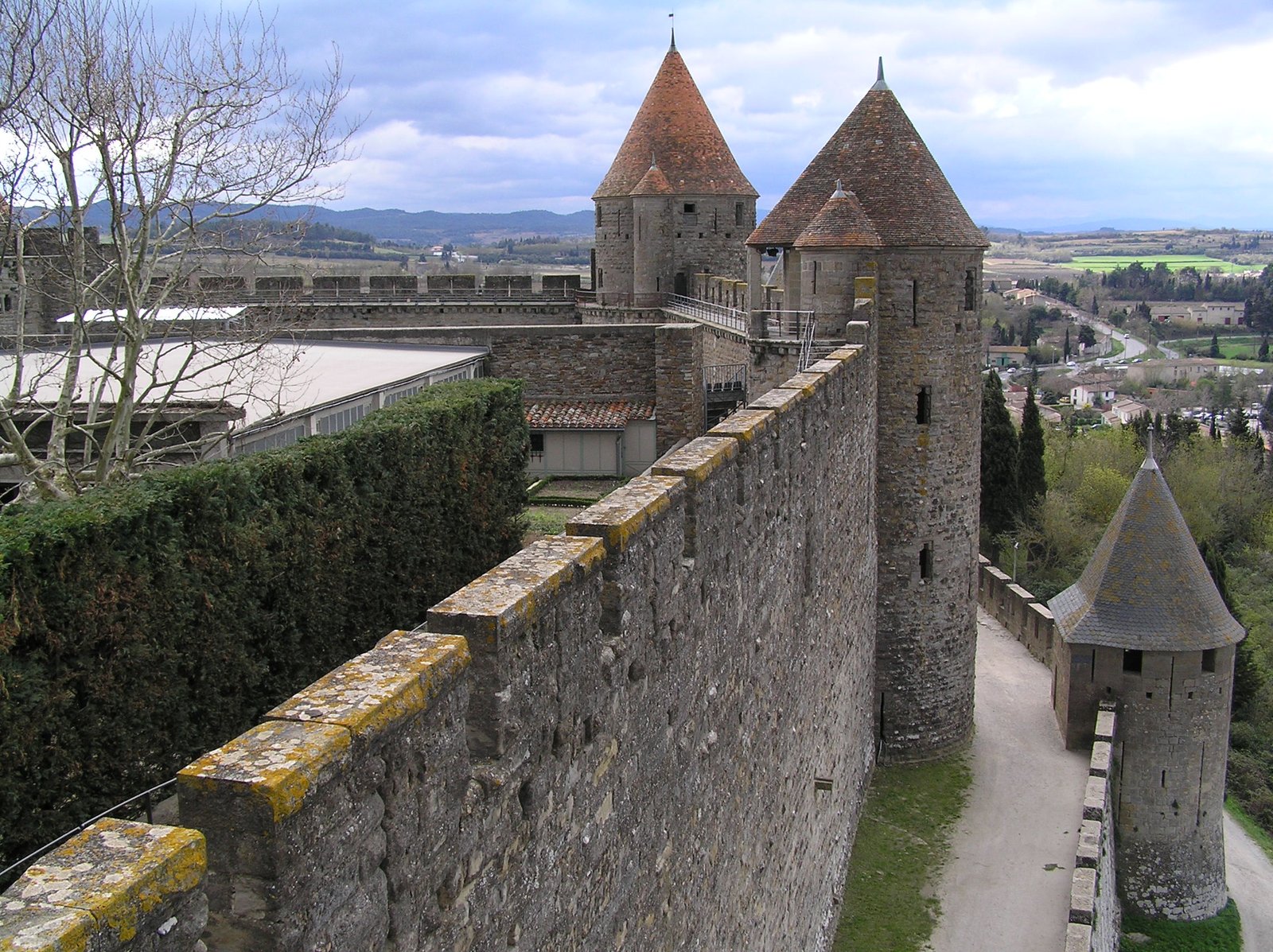
The shift was strategic. He stopped fighting skirmishes and started building a state. By 1144, this consolidation bore fruit. His capture of Edessa proved that Frankish fortifications were not invincible. This wasn’t a random victory; it was the result of a decade spent removing the petty emirs who had prioritized personal fiefdoms over collective defense. He shifted the goal from mere survival to total expulsion. The recovery of Jerusalem began not with a prayer, but with Zengi’s ruthless unification of the Syrian interior.
Saladin and the Art of Strategic Mercy
On October 2, 1187, Salah ad-Din Yusuf ibn Ayyub entered Jerusalem. He consciously rejected the precedent set by the Crusaders in 1099. No blood flowed in the streets. Saladin granted a general amnesty and freed 4,000 prisoners. He frequently paid ransoms from his own treasury. This act was documented by the chronicler Baha ad-Din in The Rare and Exquisite Pearl, offering a view of the crusades from muslim perspective.
This was not mere piety; it was a psychological strike. By contrasting his restraint with the 1099 massacre, Saladin seized the moral high ground. This shift is evident in the diplomatic correspondence with the Kingdom of Jerusalem. Mercy became a tool for legitimacy.
Saladin chose mercy over massacre. This turned a military victory into a diplomatic masterstroke that shamed his enemies.
His conduct disrupted the narratives in the courts of Philip II of France and Richard I of England. While Richard fought for territory, Saladin cultivated a reputation for ‘adl (justice). This “confusion” among European nobility is reflected in the writings of the chronicler Ambroise. He noted the unexpected nobility of the “Saracen” leader. By choosing clemency in 1187, Saladin proved that disciplined ethics are more effective for long-term stability than raw slaughter, redefining the crusades from muslim perspective.
Reevaluating the Crusades from Muslim Perspective via the Ayyubid Records
In 1187, the victory at Hattin wasn’t merely a military win. According to Baha ad-Din ibn Shaddad in The Rare and Excellent History of Saladin, it was a restoration of divine order. Western narratives frame the period as a clash of civilizations. However, Ayyubid legitimacy rested on jihad. It was a tool for political unification. Saladin didn’t just fight Franks; he fought the fragmentation of the Levant.
The Ayyubid definition of legitimacy differed fundamentally from the Frankish “right of conquest.” The 1099 massacre in Jerusalem established a precedent of terror. In contrast, Saladin’s entry in 1187 prioritized aman (safe conduct). This wasn’t “kindness.” It was a calculated legal strategy. This strategy delegitimized the Crusader claim to the city.
Saladin viewed Richard the Lionheart not as a religious antagonist. He saw him as a sovereign peer in a complex geopolitical game.
Usama ibn Munqidh wrote in The Book of Contemplations. He documented a cultural chasm, yet the borders remained porous. By 1192, the Treaty of Jaffa proved that diplomacy outweighed theology. Saladin sending Richard snow and fruit during his fever was a performance of superiority. It signaled that the Ayyubids viewed the Crusades as an expensive interruption. This interruption was temporary to regional stability.
The Mamluk Erasure of the Outremer States
The walls of Acre fell on May 18, 1291. This was not a mere victory; it was a systematic liquidation. Sultan al-Ashraf Khalil viewed the Frankish outposts as remnants of an expired occupation. He ordered the Outremer states erased from the map.
The Mamluks employed a scorched-earth policy. They dismantled coastal fortifications to ensure European fleets found no secure harbors. This wasn’t just fire and sword. According to the al-Kamil fi al-Tariqh by Ibn al-Athir and later Mamluk chronicles, which provide a view of the crusades from muslim perspective, the demolition was clinical. Engineers dismantled harbor moles and filled ports with rubble, physically sealing the coast against the Mediterranean. Archaeological surveys of the Acre shoreline confirm this intentional destruction of the maritime infrastructure.
The Mamluks shifted the objective from mere defense to total eradication, ensuring the Latin East could never be rebuilt.
Western narratives focus on the loss of the Holy Land. However, the Chronicle of the Mamluks describes a “cleanup operation,” offering a detailed look at the crusades from muslim perspective. By late 1291, the remnants of the Kingdom of Jerusalem were pushed into the sea. The Crusader states vanished under Mamluk rubble. This was the deliberate removal of a foreign presence, designed to make the coast uninhabitable for any returning army.
Whose Memory of the Levant Actually Survived?
The West remembers the Crusades as a clash of civilizations. For those in the Levant, they were erratic raids. The shock lay in the sudden arrival of Franks fighting for a city they barely understood. This gap transforms the narrative.
Records from the era, specifically the al-Kamil fi al-Tarikh by Ibn al-Athir, describe a region of coexistence. The “Holy Land” was a network of trade, not a vacant prize. While popes preached enmity, Frankish lords and Syrian emirs used the Pax Christiana and local treaties to survive. In 1140, the Count of Tripoli frequently leased agricultural lands from Muslim neighbors to ensure food security. In the court of Bohemond II, Muslim physicians were not captives, but the most trusted medical advisors.
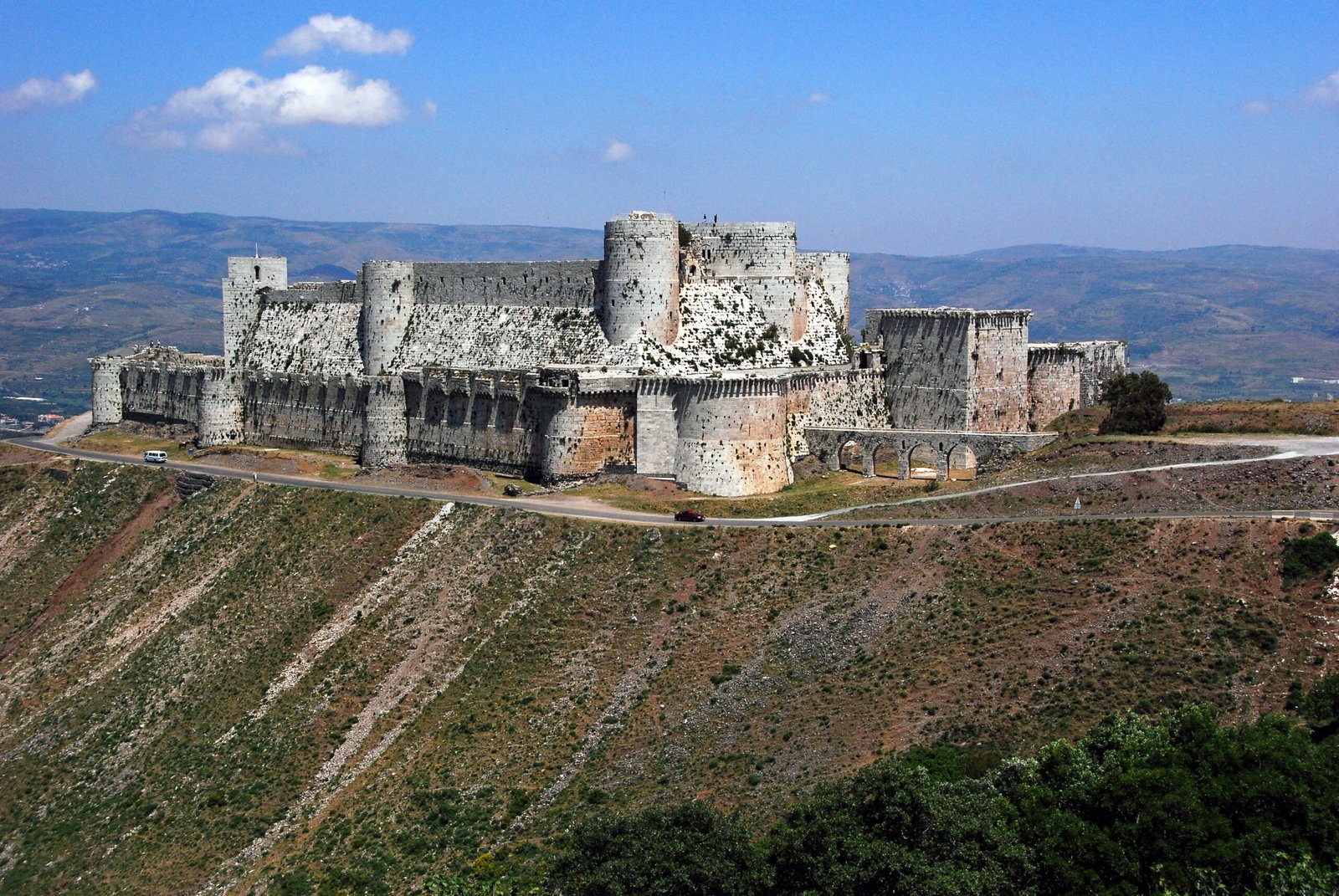
Western education frames this as the defining moment of the Middle Ages. To the Abbasid administration in Baghdad, it was a peripheral distraction. While European chronicles obsessed over the Levant, the Diwan al-Kharaj records in Baghdad focused on the Zanj Rebellion’s aftermath and Persian border skirmishes. The wars were a local nuisance, not a systemic crisis. This erasure tells us more about who writes history than who actually lived it.
Frequently Asked Questions
Q: What is the crusades from muslim perspective?
A: The crusades from muslim perspective were not viewed as a series of singular “holy wars,” but rather as a series of brutal raids by “Franj” (Franks) on the edges of a vast Islamic empire. While Western narratives focus on the liberation of Jerusalem, contemporary Muslim chroniclers like Ibn al-Qalanisi described the events as sudden, violent incursions. To the inhabitants of the Levant, these were territorial conflicts and political upheavals rather than a global religious clash.
Q: Why is it important to study the crusades from muslim perspective?
A: Studying the crusades from muslim perspective matters because it exposes the gap between historical reality and nationalistic myths. Most textbooks frame the era as a clash of civilizations, but Arabic sources reveal a more complex reality of trade, diplomacy, and coexistence. By examining these accounts, we see that the “Crusader States” often functioned through pragmatic alliances. Understanding this shift prevents the repetition of narratives that paint one side as purely aggressive and the other as purely defensive.
Q: What is a common misconception about the Crusades in textbooks?
A: A common misconception regarding the crusades from muslim perspective is that the Islamic world was shocked or paralyzed by the First Crusade. In reality, the fragmented nature of the Seljuk Empire meant that the “invasion” was initially seen as just another regional skirmish. Many Muslim leaders didn’t even recognize the religious motivations of the Crusaders until years later. The idea of a unified “Islamic response” is a later historical projection; the actual reaction was slow, localized, and deeply political.
Q: What was the historical context of the Muslim response to the Crusades?
A: The historical context of the crusades from muslim perspective is rooted in the internal instability of the Fatimid and Seljuk caliphates around 1095 CE. The Muslim world was split by sectarian divides and power struggles between Baghdad and Cairo. This fragmentation allowed the First Crusade to succeed. It wasn’t until the rise of Zengi and later Salahuddin (Saladin) in the 12th century that a unified military strategy emerged to reclaim Jerusalem in 1187 CE.
Q: What is a surprising fact about the Crusades from the Muslim side?
A: A surprising fact about the crusades from muslim perspective is that many Muslim historians barely mentioned the Crusades in their early writings. While Western Europe viewed the events as a defining epoch, scholars in the heart of the Islamic world often treated the Frankish presence as a minor border nuisance. The “Great Crusades” were essentially a peripheral event for the wider Caliphate. This disparity shows how the same event can be a central trauma for one culture and a footnote for another.