


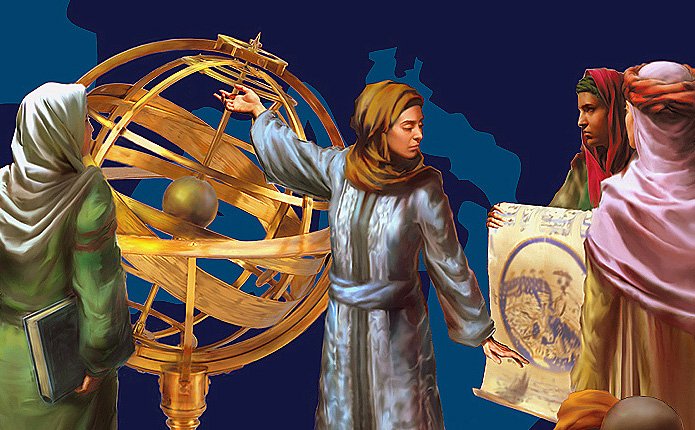
The Baghdad Brotherhood is a Myth
The air in 9th-century Baghdad smelled of cedarwood and wet ink. In the humid corridors of the House of Wisdom, scribes hunched over vellum, translating The Almagest into Arabic. We are told this was the work of a monolithic “Baghdad Brotherhood” a curated club of male polymaths serving the Caliph.
It is a convenient story. It is also wrong.
The Baghdad Brotherhood is a myth. Real intellectual labor happened in the shadows, often led by women who never appeared in court chronicles. While Fatima al-Fihri was building the University of al-Qarawiyyin in Fes in 859 CE, a different, invisible network operated in Iraq. These women didn’t just assist; they interrogated. They mastered Euclid’s Elements and scribbled fierce critiques into the margins of official scrolls.
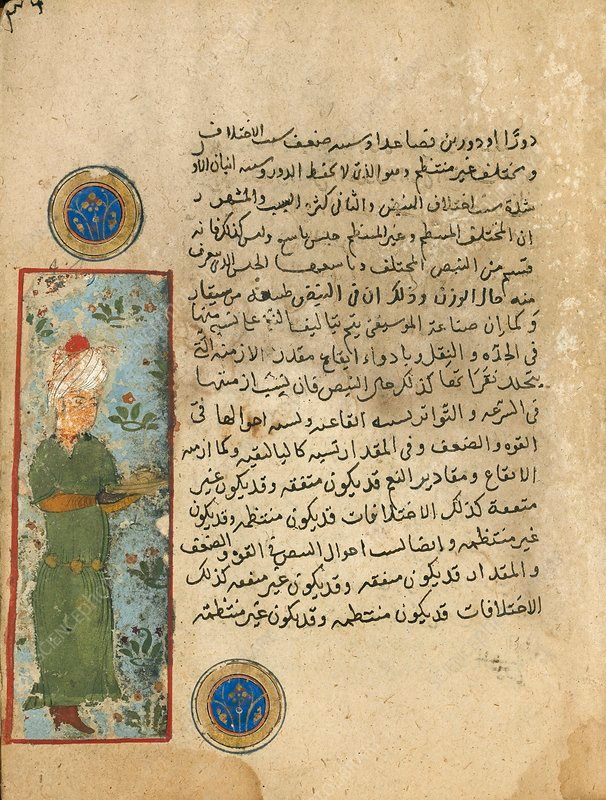
These ink-stained footnotes are the only surviving evidence of their combat. They corrected the math. They challenged the medicine.
“The facts are in the margins of the manuscripts, not the monuments.”
This erasure wasn’t accidental. By framing the era as a Baghdad Brotherhood, history deleted the salons where women debated jurisprudence and science.
The Hidden Role of Women Scholars in the House of Wisdom
Ink-stained fingertips and the scent of expensive musk filled the private courtyards of 9th-century Baghdad. Here, behind carved cedar screens, the real labor of the Abbasid intellectual boom happened. While the public face of the era was male, women scholars in the House of Wisdom operated as the invisible nervous system of the empire.
They were not mere scribes. They were muhaddithat expert traditionists who guarded the purity of texts. In these salons, women like Zaynab bint Ali al-Sabbagh didn’t just transcribe; they audited. They corrected the linguistic errors of men and verified the chain of transmission for complex works like the Kitab al-Sira.
These women weren’t assistants. They were the gatekeepers of linguistic precision and historical accuracy.
By 950 CE, the influence of these women shifted from private homes to formal certification. Hundreds of women issued ijazahs, the legal licenses required to teach. This proves women scholars in the House of Wisdom were a structural necessity. The famous “brotherhood” of the royal archives was simply the public front for a sophisticated, domestic intellectual system.
Beyond the Court: The Private Salons of Knowledge
Saffron ink stained the fingertips of students who sat in hushed rows, waiting. They didn’t gather in the gilded halls of the caliph, but in the dim, parchment-scented rooms of Baghdad’s residential quarters. In 840 CE, the power dynamic here was inverted. Men traveled for days, not to lecture, but to plead for a signature of validation from a woman.
These private salons were the engine of the muhaddithat—female specialists in Hadith. This is where the Islamic Golden Age scholarship moved from state funding to private authority. They didn’t just memorize; they audited the isnad, the rigorous chain of transmission.
Consider the authority of Sayyida Nafisa in the late 8th century. She didn’t just study; she commanded the respect of the era’s greatest minds, as recorded in the Tabaqat biographies. While the House of Wisdom served the bureaucracy, women like Nafisa turned domestic spaces into universities. They controlled the flow of authentic knowledge.
The real archives of the Abbasid era weren’t just in the state libraries. They were in the living rooms of women who controlled the flow of authentic knowledge.
By mastering the isnad, these women became the final gatekeepers of truth.
Fatima al-Fihri and the Architecture of Learning
In 859 CE, Fatima al-Fihri stepped onto the dusty soil of Fez, Morocco. She carried an inheritance and a singular vision. She didn’t just buy land; she consecrated it. While the House of Wisdom in Baghdad relied on caliphal budgets, al-Fihri’s project was an act of private, fierce autonomy.
She lived in a state of perpetual prayer. Tradition records that she fasted every single day. This lasted from the first foundation stone until the final arch was set. For Fatima, the masonry was a spiritual offering. This devotion birthed the University of al-Qarawiyyin. It was a cornerstone of the Islamic Golden Age. It functioned as a blueprint for higher education long before medieval universities emerged in Europe.
The institution’s educational legacy is etched into the works produced within its walls. It wasn’t merely a mosque. It was a rigorous intellectual hub. Scholars like Ibn Khaldun later refined his theories on sociology in the Muqaddimah there. By creating a structured environment for ijazah (certification), al-Fihri established a decentralized network of female leadership and scholarship. She didn’t wait for permission from Baghdad. She built a sanctuary in Fez and opened the doors to the world.
The Erasure of Female Hadith Specialists
By 850 CE, the transmission of prophetic traditions relied on isnad, the rigorous chain of narrators. These lists reveal that female hadith scholars were not mere assistants. They were the gatekeepers of authenticity. In the bustling markets of Baghdad and the open courtyards of Kufa, women like Amra bint Abd al-Rahman ran brutal verification processes. They didn’t just memorize; they audited the memories of men.
Erasure happened at the tip of the reed pen. While women led the circles, male scribes often omitted female names from formal registries. This created a systemic blind spot. If a name vanished from a court record, the scholar vanished from history. In many copies of al-Muwatta, scribes replaced specific names with the generic al-rawiya (the narrator). This turned a woman’s intellectual labor into an anonymous ghost.
The intellectual authority of these women was recognized in practice, even when it was ignored in the written archives.
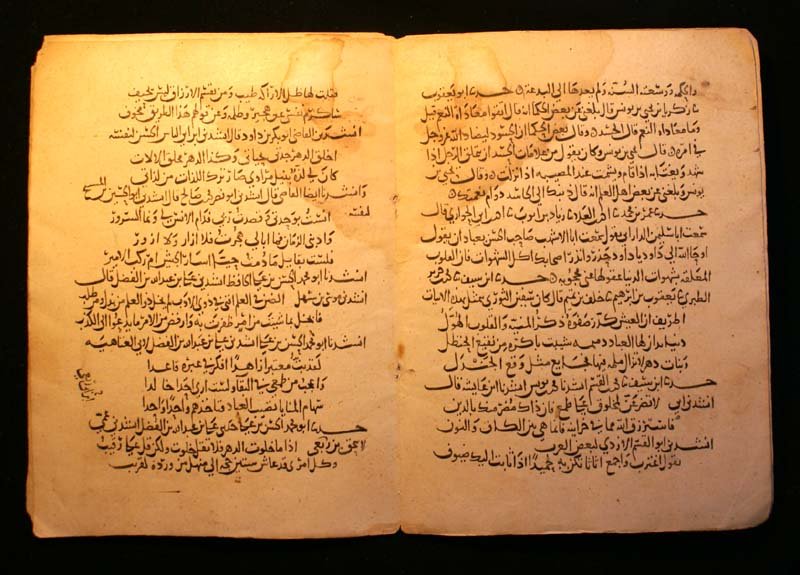
This was a failure of ink, not presence. By 1050 CE, the atmosphere shifted. The scent of jasmine and tea in domestic salons where women held court—faded. In its place rose the cold stone and rigid bureaucracy of state-funded academies, where male-only registries became the law of the land.
Why History Forgot Women Scholars in the House of Wisdom
Sandalwood incense clings to the heavy silk curtains of a Baghdad majlis in 920 CE. Here, the air hums with the sound of reed pens scratching parchment and the sharp cadence of a debate over Aristotle. While the state-funded House of Wisdom operated as a formal bastion for men, these domestic salons were the actual engines of intellectual agility. In these spaces, women weren’t just listeners; they were the architects of the conversation.
The erasure began with the archives. Nineteenth-century Orientalists relied on royal payrolls and official decrees to map the Abbasid Golden Age. They found Al-Khwarizmi because he was on the payroll. They missed the women who curated the knowledge.
Consider the influence of figures like Fatima al-Fihri, who founded the University of al-Qarawiyyin in 859 CE, or the female muhaddithat (scholars of Hadith) who authored critical commentaries on Sahih Bukhari. These women operated in the “informal” sector—the same way Victorian historians ignored the Parisian salonnières.
The intellectual life of Baghdad lived in the gaps between official buildings. It lived in the homes where gender boundaries blurred in the pursuit of truth.
By the time the Mongols sacked Baghdad in 1258, the records shifted toward the Caliphs. The nuanced contributions of women to works like Kitab al-Manazir or astronomical corrections were stripped away. This created a persistent fiction: that reason was a masculine venture. In reality, it was a shared human hunger, halved by the people who wrote the textbooks.
The Gendered Divide of the Translation Movement
In 830 CE, translation was a high-stakes industry. Caliph al-Ma’mun paid translators the weight of their books in gold. Ink became currency. This created a professional class, though the Baghdad translation movement often operated in the shadows of domestic spaces. Men held the titles at the House of Wisdom, while women managed the flow of texts within the home.
These women were intellectual architects. They didn’t just assist; they mastered the logic of Aristotle’s Organon and the complexities of Persian statecraft. Figures like the scholar Zubaida bint Ja’far influenced the curation of private libraries, acting as the “hidden bridge” for the next generation of elites. Official records only listed the men who signed the final manuscripts.
But the evidence remains. In the margins of early medical texts, one finds sharp, precise corrections in a different hand. These are the ghostly footprints of women who edited the work before the men claimed it.
The prestige of the translation movement rested on public recognition, a currency almost exclusively reserved for men.
By 850 CE, this divide was a structural wall. Men occupied the public halls; women owned the private scrolls. The smell of old parchment and the scratch of a reed pen in a quiet courtyard were the only witnesses to their labor. Their brilliance was stripped from the archives and recast as mere support.
Recovering the Lost Manuscripts of the Golden Age
In 1258 CE, the Mongols threw enough books into the Tigris that the river reportedly ran black with ink. This massacre of paper erased the intellectual legacy of women scholars in the House of Wisdom. Official Abbasid court records focused on caliphs, but Baghdad’s private libraries held the actual evidence.
The smell of old vellum and heavy musk filled the air of the city’s private salons. Here, the daughters of the elite gathered in hushed circles to debate medicine and translate Greek texts. Because these works stayed in family collections rather than state archives, they vanished during the siege. Only fragments survive. Records mention muhaddithat—scholars of prophetic tradition—who taught the era’s most famous men. Women like Fatima al-Fihri, who founded the University of al-Qarawiyyin in 859 CE, proved that female leadership was central to the era’s academic engine. These women held the ijazah, a license to teach, certifying the knowledge of men who later claimed sole credit.
The tragedy of the Mongol invasion was not just the fire, but the silence that followed for the women who wrote the missing pages.
Tracing women scholars in the House of Wisdom requires scouring surviving catalogs. Their names appear in the margins of texts like The Canon of Medicine. They built a Golden Age now described as exclusively male.
Whose Genius Do We Choose to Remember?
History prefers clean lines. It favors the image of a few men in robes over parchment. But the intellectual engine of the Islamic Golden Age ran on more than just official appointments. In 9th-century Baghdad, women scholars operated within the private spheres of the Abbasid caliphate. They blended domestic life with rigorous academia. They didn’t just observe. They mastered Fiqh (jurisprudence) and astronomy in home-based circles.
These salons weren’t mere social gatherings. They were hubs. Here, the daughters of the elite studied texts like the Almagest of Ptolemy. Some women, like the scholar Fatima al-Fihri, founded the University of al-Qarawiyyin in 859 CE. She proved that female leadership in education was a tangible reality. It was not a theoretical possibility.
The erasure of these figures is a choice. Historians often ignored names. These names didn’t fit the trope of the solitary male genius. We accept a curated version of progress by omitting the contributions of Abbasid women scholars. The loss of their specific titles is a loss of our collective intellectual heritage. These women existed. The problem is a history that allows half of its thinkers to remain invisible.
The (Downplayed) Story of Female Scholars, Teachers and Leaders in Islam
Frequently Asked Questions
Q: Who were the women scholars in the House of Wisdom?
A: Women scholars in the House of Wisdom were intellectuals, translators, and patrons who contributed to the intellectual flowering of Baghdad. While the official records often prioritize men, figures like the daughters of Caliphs and wealthy nobility funded the translation of Greek and Persian texts. These women didn’t just provide money; they engaged in rigorous debates on philosophy and medicine, ensuring that the pursuit of knowledge was a familial, rather than purely masculine, endeavor.
Q: Why is the role of women in early Islamic scholarship important?
A: Recognizing women scholars in the House of Wisdom challenges the narrative that intellectual leadership in the medieval world was exclusively male. By uncovering their influence, we see that the Golden Age of Islam was built on a more inclusive foundation of curiosity than modern textbooks suggest. This shift in perspective reveals how knowledge was passed through domestic networks and private salons, proving that intellectual rigor existed far beyond the formal walls of the state academy.
Q: Is it true that women were excluded from the House of Wisdom?
A: The common misconception that women scholars in the House of Wisdom were banned from learning is largely a result of how history was recorded. While the formal payrolls of the Bayt al-Hikma primarily list men, the cultural reality of 9th-century Baghdad allowed elite women to be highly educated. Many women operated as “hidden” scholars, teaching others and commissioning works that shaped the very scientific and philosophical breakthroughs we attribute solely to men today.
Q: What was the historical context for women’s education in Baghdad?
A: The environment for women scholars in the House of Wisdom was shaped by the Abbasid Caliphate’s obsession with Adab, or refined culture. In the 800s CE, literacy among noblewomen was not just a luxury but a requirement for managing complex households and political alliances. This culture of learning allowed women to master Arabic grammar, jurisprudence, and astronomy, creating a parallel intellectual ecosystem that mirrored the official activities of the state-sponsored House of Wisdom.
Q: What is a surprising fact about women’s contributions to early science?
A: A surprising fact is that women scholars in the House of Wisdom often specialized in the transmission of Hadith and medicine, fields that required extreme precision and memory. Some women became the primary authorities on specific texts, with male scholars traveling long distances to seek their certification. This proves that in the 10th century, a woman’s intellectual authority could be so absolute that the most renowned men of the era were her students.

